


















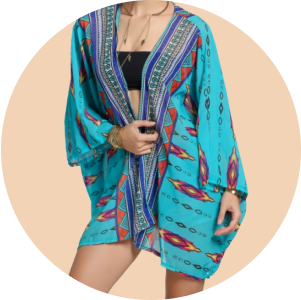
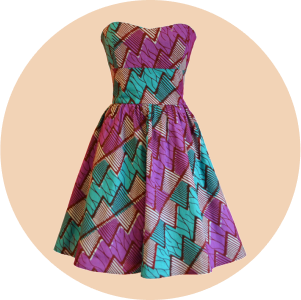
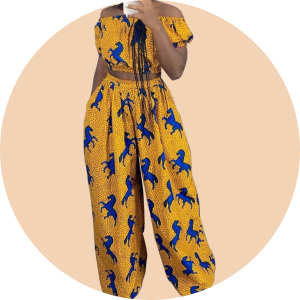
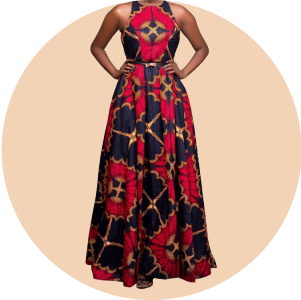



How African Clothing Has Evolved Over the Years


African clothing is more than fabric and fashion—it is a powerful expression of culture, identity, history, and pride.
For centuries, African communities have used clothing to communicate social status, heritage, age, marital status, profession, and cultural belonging. While traditional garments remain deeply respected and widely worn, African fashion has evolved significantly over time.
Today, African clothing is celebrated not only across the continent but around the world. In cities like Edmonton, Toronto, Calgary, Winnipeg, and Vancouver, African-inspired fashion is increasingly worn at weddings, church services, business events, celebrations, and even everyday outings.
Let’s explore the fascinating journey of African clothing and how it has evolved into one of the most influential fashion movements in the world.
The Origins of African Clothing
Long before modern fashion existed, African communities created garments using locally available materials.
Early clothing was made from:
- Animal hides
- Leather
- Bark cloth
- Handwoven textiles
- Natural fibers
Clothing served both practical and cultural purposes.
Different regions developed unique styles based on climate, traditions, and available resources.
These early garments laid the foundation for the rich diversity of African fashion we see today.
Clothing as Cultural Identity
In many African societies, clothing has always represented more than appearance.
Traditional garments often communicated:
- Family heritage
- Tribal affiliation
- Community status
- Religious beliefs
- Special occasions
Specific colors, patterns, and styles carried meaning and were often reserved for important ceremonies and celebrations.
Even today, many African garments continue to symbolize pride, unity, and cultural identity.
The Rise of Traditional African Textiles
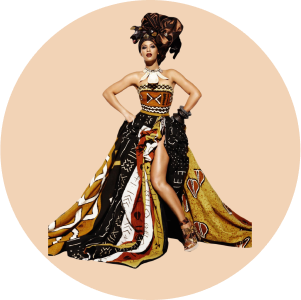
One of the most important developments in African fashion was the creation and widespread use of distinctive textiles.
Popular examples include:
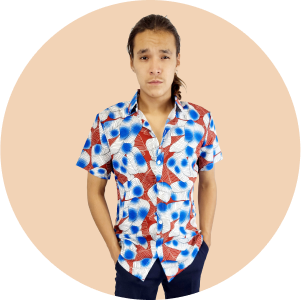
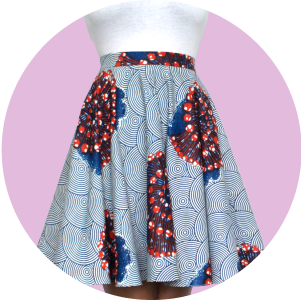
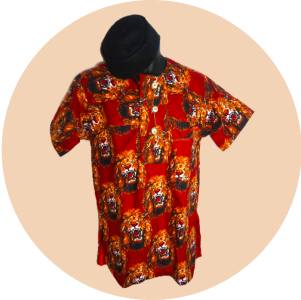
Ankara

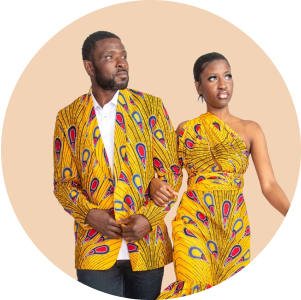
Known for its vibrant patterns and bold colors.
Ankara remains one of the most recognized African fabrics worldwide.
Kente
Originally associated with royalty and prestige.
Kente cloth is celebrated for its striking geometric patterns and symbolic meanings.
Aso Oke
Traditionally handwoven and often used for weddings and special ceremonies.
Lace Fabrics
Highly valued in many African communities for formal and celebratory attire.
These fabrics became an essential part of African fashion and continue to inspire modern designs.
Traditional African Clothing Through the Years
Different regions developed distinctive clothing styles.
West Africa
Known for garments such as:
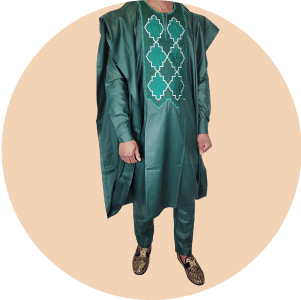
- Agbada
- Kaftans
- Senator styles
- Boubous
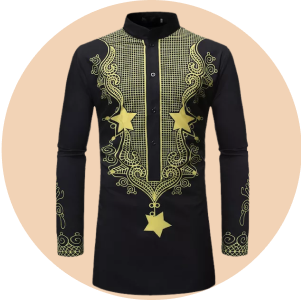
These garments often feature intricate embroidery and flowing silhouettes.
East Africa
Traditional attire often includes colorful fabrics and unique draping techniques.
Southern Africa
Distinctive garments reflect local customs, ceremonies, and cultural heritage.
North Africa
Fashion is heavily influenced by historical trade routes and cultural exchanges.
Despite regional differences, African clothing consistently emphasizes craftsmanship and cultural significance.
The Influence of Global Fashion

As international travel, trade, and communication increased, African fashion began interacting with global trends.
Designers started blending:
- Traditional fabrics
- Contemporary tailoring
- Western silhouettes
- Modern fashion techniques
This fusion created entirely new categories of clothing that appeal to both African and non-African consumers.
Rather than replacing traditional styles, modern influences expanded the possibilities of African fashion.
The Birth of Modern African Fashion
Over the last few decades, African fashion has experienced remarkable growth.
Designers began introducing:
- Tailored fits
- Contemporary cuts
- Luxury fabrics
- Modern embellishments
- Global fashion influences
The result is a fashion industry that honors tradition while embracing innovation.
Today’s African fashion often combines cultural heritage with modern elegance.
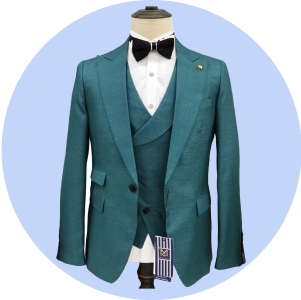
Modern Senator Styles

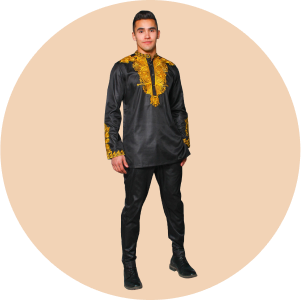
One of the clearest examples of evolution is the senator outfit.
Traditional inspirations have been transformed into sophisticated contemporary attire.
Modern senator styles feature:
- Slimmer silhouettes
- Premium fabrics
- Refined embroidery
- Professional styling
These outfits are now worn for:
- Weddings
- Business events
- Church services
- Cultural celebrations
Many men appreciate senator outfits because they combine comfort with sophistication.
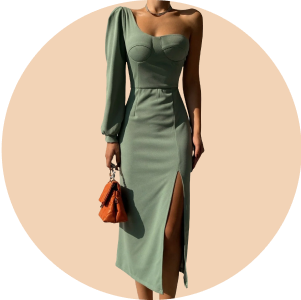
The Evolution of African Women’s Fashion
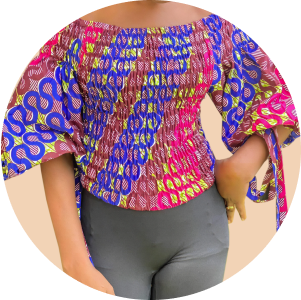
African women’s fashion has undergone tremendous transformation.
Traditional garments have inspired modern designs such as:
- Fitted dresses
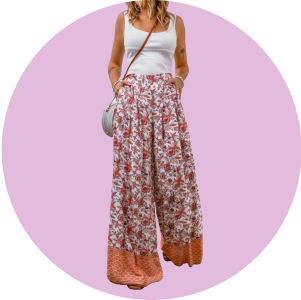
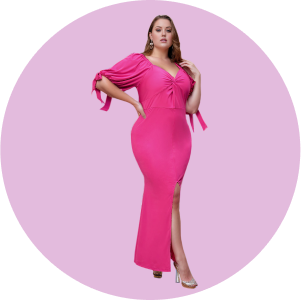
- Maxi dresses
- Formal evening wear
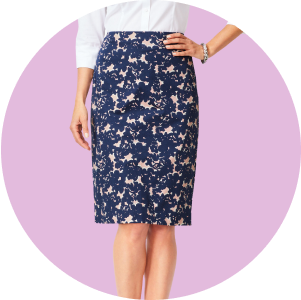
- Contemporary skirts
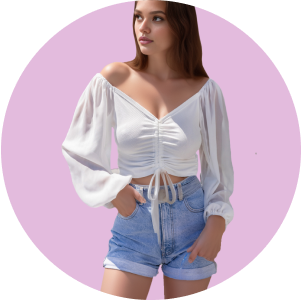
- Stylish blouses
Designers continue to create garments that celebrate African heritage while meeting modern fashion expectations.
This balance has helped African women’s fashion gain international popularity.
African Fashion on the Global Stage
African fashion is no longer limited to local communities.
Today, African-inspired designs appear on:
- International runways
- Fashion magazines
- Red carpets
- Social media platforms
- Global retail markets
Celebrities, influencers, and designers have helped introduce African fashion to wider audiences.
As a result, African clothing is increasingly recognized as both culturally significant and fashion-forward.
Social Media’s Impact on African Fashion
Platforms like Instagram, Facebook, TikTok, and YouTube have transformed the fashion industry.
Social media allows:
- Designers to showcase collections
- Customers to discover new styles
- Communities to celebrate culture
- Fashion trends to spread globally
Many African fashion trends now gain international attention within days rather than years.
This increased visibility continues to fuel growth across the industry.
African Fashion in Canada
Canada’s multicultural environment has created opportunities for African fashion to thrive.
Across Canadian cities, African clothing is worn for:
- Weddings
- Cultural festivals
- Church programs
- Family celebrations
- Professional events
Many Canadians appreciate African fashion because of its:
- Vibrant designs
- Unique fabrics
- Rich cultural significance
- Distinctive appearance
African fashion has become an important part of Canada’s diverse cultural landscape.
The Future of African Fashion
The future of African clothing looks exceptionally bright.
Emerging trends include:
- Sustainable fashion
- Contemporary tailoring
- Luxury African fashion
- Afro-Western fusion designs
- Premium craftsmanship
As younger generations embrace both tradition and innovation, African fashion will continue evolving while preserving its cultural roots.
Why African Clothing Remains Relevant
African clothing has endured because it represents more than trends.
It symbolizes:
- Heritage
- Identity
- Pride
- Community
- Creativity
These values continue to resonate across generations.
Whether worn at a wedding, church service, cultural celebration, or professional event, African clothing helps people express who they are.
Frequently Asked Questions
Is African clothing only worn during cultural events?
No. Many people wear African-inspired clothing for everyday fashion, business events, weddings, and social occasions.
Why is African fashion becoming more popular?
Its unique designs, cultural significance, and modern styling appeal to people seeking distinctive fashion options.
What is a senator outfit?
A senator outfit is a popular African men’s style known for its elegant tailoring and sophisticated appearance.
Can African clothing be worn for formal occasions?
Absolutely. Many African garments are ideal for weddings, formal celebrations, and professional events.
Conclusion
African clothing has evolved from traditional garments crafted for local communities into a globally recognized fashion movement.
While styles and techniques have changed over time, the core values of culture, identity, and pride remain unchanged.
Today, African fashion continues to inspire people around the world by blending tradition with innovation and heritage with modern style.
Visit JEVGLAM
Looking for African clothing in Edmonton?
Visit JEVGLAM to explore our collection of African men’s clothing, women’s African fashion, senator styles, kaftans, dresses, and accessories. Whether you’re celebrating your heritage or simply appreciate unique fashion, we’re here to help you look your best.